Few food and drink debates are as surprisingly passionate as the argument over which Coca-Cola tastes best. Some people insist Coke from a glass bottle is smoother, colder, and more refreshing than the version sold in aluminum cans or plastic bottles. Others claim the difference is psychological and that Coca-Cola tastes identical regardless of packaging. Yet millions of soda drinkers continue to swear that glass-bottled Coke simply tastes better.
The interesting part is that this belief is not entirely imagined. While Coca-Cola’s core formula remains largely the same across packaging types, the container itself can influence how the drink tastes, smells, and feels when consumed. Everything from carbonation retention to temperature control and even human psychology plays a role in shaping the drinking experience.
For decades, Coca-Cola in glass bottles has carried a kind of legendary reputation among soda lovers. Whether purchased from a local convenience store, a Mexican restaurant, or an old-fashioned diner, many people describe bottled Coke as tasting “cleaner” or “more authentic.” The reason behind that perception comes down to a combination of science, packaging materials, and sensory experience.
Packaging Materials Affect Flavor More Than Most People Think
One of the biggest reasons Coca-Cola tastes different in glass bottles is because glass is chemically neutral. Unlike aluminum cans or plastic bottles, glass does not interact with the liquid inside. This helps preserve the drink’s original flavor profile more consistently over time.
Plastic bottles, for example, are slightly permeable, meaning small amounts of carbon dioxide can slowly escape. Oxygen can also enter in tiny amounts, which may subtly alter flavor over time. That is one reason soda from plastic bottles can sometimes taste flatter or less crisp, especially if the bottle has been sitting for a while.
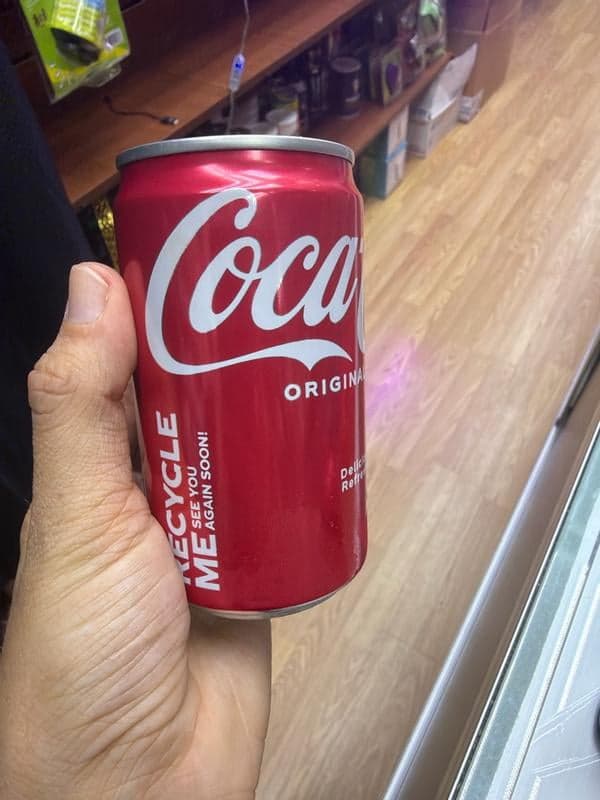
Aluminum cans avoid many of the issues associated with plastic, but they introduce another factor: the metallic container itself. Although cans are lined internally with a protective coating to prevent direct contact between the soda and the metal, some people are still sensitive to slight flavor differences caused by the can material. The human tongue can detect tiny changes in taste surprisingly easily, especially in drinks with strong carbonation and acidity like Coca-Cola.
Glass bottles avoid both of these issues. Because glass does not absorb or transfer flavors, the soda inside remains closer to the intended recipe. This gives many drinkers the impression that bottled Coke tastes fresher and more balanced.
Carbonation also behaves differently depending on packaging. Glass bottles generally maintain carbonation very effectively, helping preserve the sharp, fizzy sensation many people associate with an ideal Coca-Cola experience. That crisp carbonation affects not only texture but also flavor intensity because bubbles carry aroma and stimulate taste receptors more actively.
Temperature plays an important role too. Glass tends to stay colder longer than thin aluminum cans once chilled properly. A colder drink can feel more refreshing and slightly reduce the perception of excessive sweetness, creating a smoother taste experience overall.
The Drinking Experience Changes How Your Brain Interprets Flavor
Taste is not determined only by ingredients. Human perception plays a huge role in how food and drinks are experienced. This is one reason Coca-Cola from a glass bottle often feels more satisfying even when the liquid itself may be extremely similar to other versions.
The shape, weight, and texture of a glass bottle create a different sensory experience from holding a can or plastic bottle. Glass feels heavier, more solid, and often more premium. That physical sensation can subconsciously influence how the brain judges quality and taste.
Sound matters too. The sharp hiss of opening a glass bottle creates anticipation that many people associate with freshness. Even the feeling of drinking directly from glass instead of metal or plastic changes how the soda interacts with the mouth and tongue.
Nostalgia is another major factor. For many people, glass-bottled Coke is tied to memories of childhood, family gatherings, restaurants, or older generations. Coca-Cola has spent decades marketing its iconic contour glass bottle as part of its identity, making the bottle itself emotionally powerful. When people drink from it, they are not just tasting soda. They are experiencing memories, branding, and emotion simultaneously.
This psychological effect is extremely important in food science. Studies consistently show that presentation changes how people perceive flavor. Wine tastes better when poured from expensive-looking bottles. Coffee seems richer in heavier mugs. The same principle applies to Coca-Cola in glass bottles.
There is also the “ritual” factor. Glass-bottled Coke often feels less ordinary because it is less common than canned or plastic versions. That slight sense of rarity can make the experience feel more special, which influences satisfaction and enjoyment.
Regional Variations Add Another Layer To The Debate
Part of the glass bottle debate also comes from regional recipe differences. In some countries, Coca-Cola bottled in glass may use slightly different sweeteners compared to versions sold elsewhere. One famous example is Mexican Coke, which is often made with cane sugar instead of high-fructose corn syrup used in many American versions.
Many fans believe cane sugar creates a cleaner or less syrupy taste, although opinions vary widely. Because Mexican Coke is commonly sold in glass bottles, people often associate the improved flavor entirely with the packaging, even though the sweetener itself may also contribute.
Serving style matters as well. Glass-bottled Coke is frequently sold in restaurants, specialty stores, or nostalgic environments where the overall dining experience is already more enjoyable. Drinking a cold Coke from a glass bottle alongside tacos at a restaurant naturally feels different from grabbing a warm plastic bottle at a gas station.
Cultural perception adds to the mystique too. Coca-Cola’s glass bottle is one of the most recognizable pieces of packaging in history. It has become a symbol of authenticity, tradition, and “classic” Coke culture. Because of this, many people approach bottled Coke expecting it to taste better before they even take a sip.
Finally, the reason Coca-Cola tastes different in a glass bottle compared to a can comes down to both science and psychology. Glass preserves flavor and carbonation more effectively because it is chemically neutral, while temperature retention and sensory differences also influence the experience. At the same time, nostalgia, presentation, and expectation shape how the brain interprets flavor.
Whether the difference is dramatic or subtle depends on the individual drinker, but for many people, Coca-Cola in a glass bottle delivers something that goes beyond simple refreshment. It feels cleaner, colder, more authentic, and somehow more satisfying. That combination of chemistry, memory, and experience is what keeps the debate alive generation after generation.