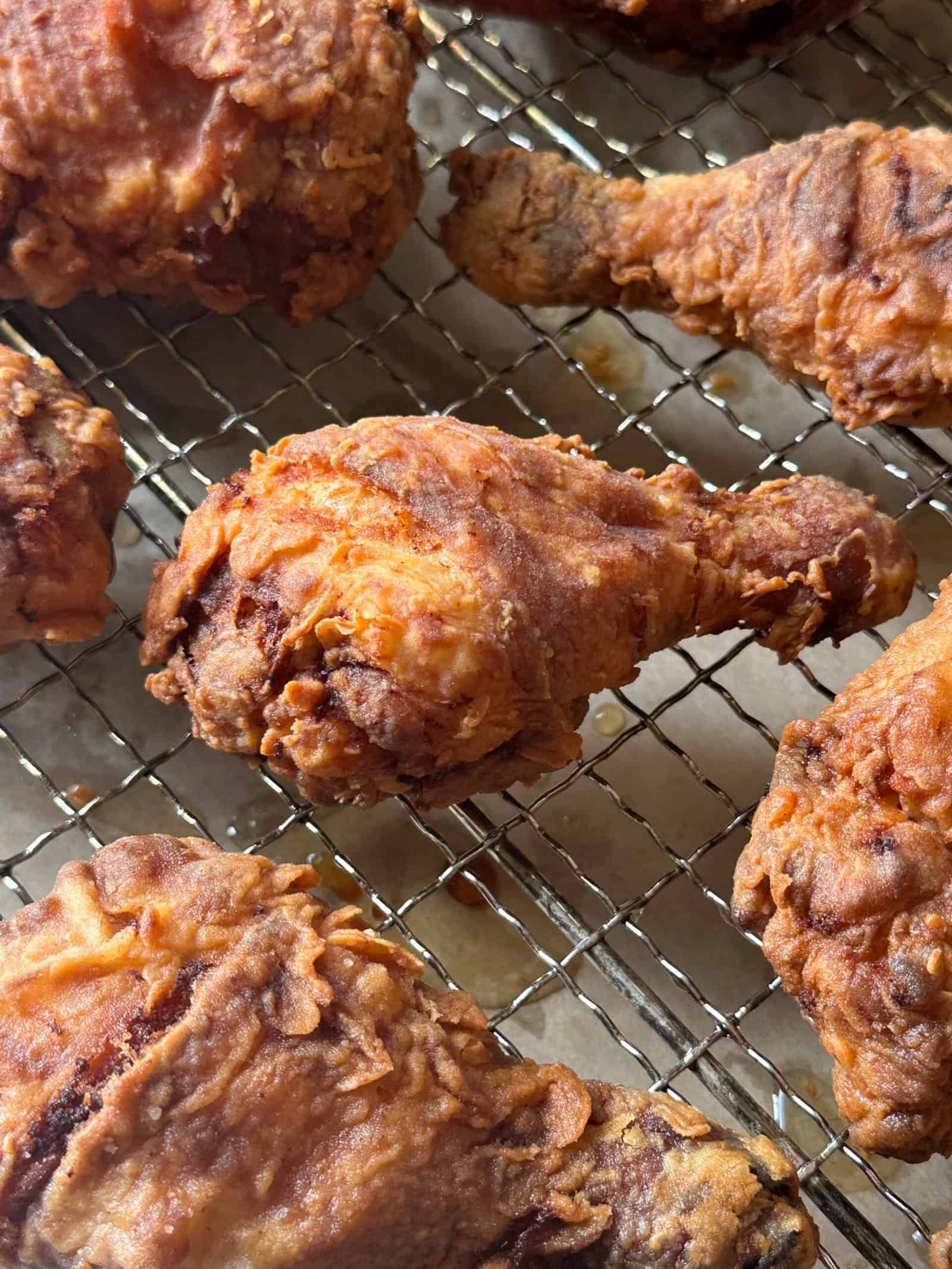
Few food disappointments are worse than biting into fried chicken that was supposed to be crispy only to discover the coating has turned soft, soggy, and oily. Fresh fried chicken has a kind of magic to it. The crust crackles loudly with every bite, the seasoning hits immediately, and the juicy meat underneath balances perfectly with the crunchy exterior. But keeping that crispiness alive for longer than a few minutes can feel almost impossible.
Anyone who has brought fried chicken home after takeout already knows the struggle. The chicken may leave the restaurant perfectly crunchy, but by the time the container is opened at home, steam trapped inside the box has already started ruining the texture. Even homemade fried chicken often loses its crispiness quickly after sitting on the counter for too long.
I learned this the hard way during family gatherings where fried chicken was always one of the main dishes. The first batch coming out of the oil was always incredible, but later batches sitting covered on trays slowly became softer and heavier. For years, I assumed this was unavoidable until I realized restaurants and experienced home cooks use specific techniques to keep fried chicken crispy much longer.
The secret is not just about frying the chicken properly. It is about controlling moisture, airflow, temperature, and even the type of coating used during cooking.
Moisture Is The Biggest Enemy Of Crispy Fried Chicken
The main reason fried chicken loses its crunch so quickly is because of steam. When chicken comes out of hot oil, the meat inside remains extremely hot and continues releasing moisture. That moisture turns into steam, and if the steam becomes trapped around the crust, the crispy coating begins softening almost immediately.
This is why freshly fried chicken placed directly into sealed takeout containers often becomes soggy fast. The heat has nowhere to escape, so the steam circulates inside the container and dampens the bread.
One of the simplest ways to keep fried chicken crispy longer is to avoid trapping steam in the first place. Restaurants often place freshly fried chicken on wire racks instead of flat plates or paper towels. At first, this seemed strange to me because I assumed paper towels helped absorb excess oil. While they do absorb some grease, they also trap heat and moisture underneath the chicken, softening the bottom crust quickly.
Wire racks work better because they allow airflow around the entire piece of chicken. Steam can escape naturally instead of collecting underneath the coating. The difference is surprisingly noticeable. The first time I tried cooling fried chicken on a rack instead of a plate, the crust stayed crisp far longer than I expected.
Spacing also matters. Stacking fried chicken pieces on top of each other creates trapped heat and moisture between them. Keeping pieces separated helps preserve the crust.
Temperature control is equally important. Many people cover fried chicken tightly to “keep it warm,” but excessive covering often creates condensation that destroys crispiness. If the chicken must stay warm for serving later, loosely tenting it with foil works better than sealing it completely.
Even the environment matters. Humid weather can soften fried coatings faster because the crust naturally absorbs moisture from the air. This is one reason fried foods often stay crispier longer in dry climates compared to humid areas.
The Coating And Frying Technique Make A Huge Difference
Another major factor in keeping fried chicken crispy is the coating itself. Not all breading behaves the same way after frying.
Some fried chicken recipes use only flour, while others combine flour with cornstarch, potato starch, or baking powder. These additional ingredients can dramatically improve crispiness because they create lighter, crunchier textures that resist moisture longer.
Cornstarch especially plays a huge role in many extra-crispy fried chicken recipes. It reduces gluten formation in the coating, helping the crust stay delicate and crunchy instead of dense and chewy.
Double frying is another technique many restaurants use to extend crispiness. This method involves frying the chicken once at a lower temperature to cook the meat through, then frying it again briefly at a higher temperature to create an extra crunchy crust.
I remember trying double-fried chicken for the first time and noticing how much longer the coating stayed crispy compared to standard fried chicken. The second fry removes additional surface moisture while reinforcing the crunchiness of the crust.
Oil temperature is also critical. If the oil is too cool, the coating absorbs excess grease and becomes heavy instead of crispy. Properly heated oil creates rapid surface dehydration, which forms the crunchy shell fried chicken needs.
Overcrowding the fryer can ruin crispiness too. Adding too many chicken pieces lowers oil temperature quickly, leading to soggy breading. Restaurants avoid this by frying in controlled batches rather than overloading fryers.
Seasoning timing matters more than people realize as well. Salt draws out moisture, so heavily seasoning fried chicken too early after cooking can sometimes soften the crust faster. Many restaurants season immediately but balance this carefully with high heat and airflow.
Reheating Fried Chicken Without Ruining It
One of the hardest parts of fried chicken is maintaining crispiness after refrigeration. Most leftover fried chicken becomes soft because moisture from the meat slowly migrates into the coating while stored.
Microwaving makes this even worse. While microwaves heat the chicken quickly, they also create steam inside the breading, which destroys crunchiness almost instantly. I made this mistake for years and could never understand why reheated fried chicken tasted completely different from the original meal.
The oven works much better because dry heat helps remove moisture from the crust instead of trapping it. Reheating fried chicken on a wire rack inside the oven allows hot air to circulate around the chicken, restoring much of the crispy texture.
Air fryers have become especially popular for reheating fried foods because they combine high heat with strong air circulation. In my experience, air fryers come surprisingly close to recreating fresh fried chicken texture compared to microwaves.
Storage matters too. Completely sealing fried chicken in airtight containers while still warm traps moisture immediately. Letting the chicken cool slightly before refrigeration helps preserve texture better.
Some people even reheat fried chicken uncovered straight from the refrigerator because exposing the crust to dry heat helps crisp it back up.
Lastly, keeping fried chicken crispy for longer comes down to understanding how moisture behaves after frying. Steam, trapped heat, and improper storage are the biggest reasons crispy coatings become soggy so quickly. Using wire racks, controlling airflow, maintaining proper oil temperature, and reheating with dry heat can dramatically improve texture and crunch.
Fresh fried chicken may always taste best straight out of the fryer, but with the right techniques, that satisfying crispy bite can last much longer than most people think.