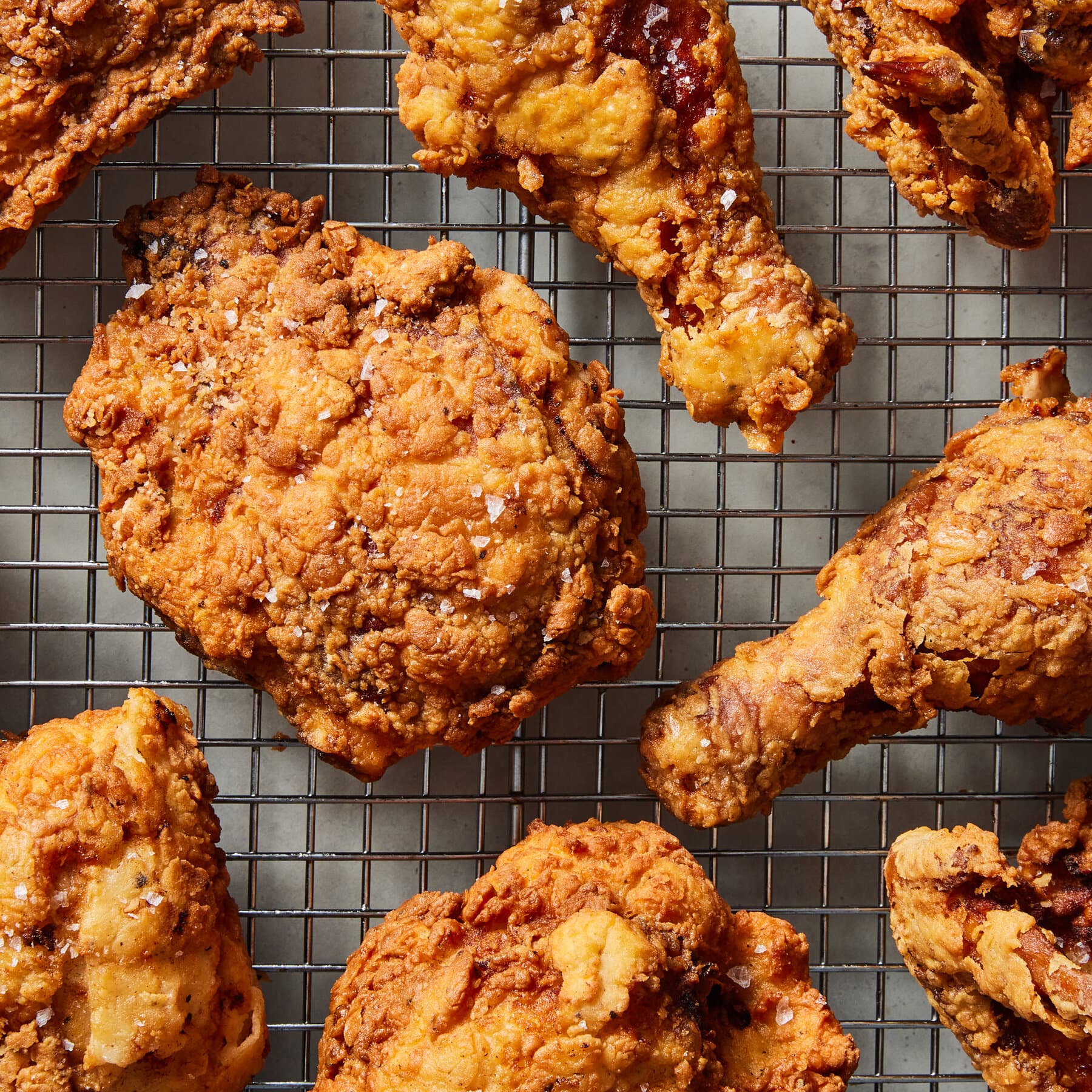
Crispy fried chicken is one of those foods that feels simple until you try to make it at home. On the outside, it looks straightforward: season the chicken, coat it, fry it, and eat. But anyone who has ended up with soggy, oily, or unevenly cooked chicken knows there is more to it than that. The real challenge is not just frying chicken, but making sure it stays crispy from the first bite to the last.
I still remember the first time I tried to recreate restaurant-style fried chicken at home. It looked perfect coming out of the oil, golden and crunchy. But within minutes of sitting on the plate, it started losing that crisp texture. That experience pushed me to understand what actually makes fried chicken stay crispy instead of turning soft.
The Foundation Starts With Proper Preparation
Great crispy fried chicken does not begin in the frying pan. It starts long before the oil heats up. The way you prepare the chicken determines how well the coating will hold up during and after frying.
Start with fresh chicken pieces that are cleaned and properly dried. Excess moisture is one of the biggest enemies of crispiness. If the chicken is wet, the coating will struggle to stick properly and will become soggy faster after frying. Pat the chicken dry thoroughly with paper towels before seasoning.
Seasoning is another important step. Salt, pepper, paprika, garlic powder, and a little seasoning cube or spice mix help build flavor from the inside. For even better results, many people marinate the chicken for a few hours or overnight. This allows the seasoning to penetrate deeper into the meat.
The coating is where crispiness is truly built. A simple flour coating works, but the texture becomes better when you mix flour with cornstarch. Cornstarch helps create a lighter, crunchier crust. Some cooks also add baking powder for extra crispiness. When coating the chicken, press the flour mixture firmly so it sticks well and forms a solid layer.
Letting the coated chicken rest for a few minutes before frying also helps. This allows the coating to set, reducing the chances of it falling off in the oil.
Frying Technique That Locks In Crunch
Once the preparation is done, the frying process becomes the most important stage. This is where many people make mistakes that ruin crispiness.
Oil temperature is everything. If the oil is too cold, the chicken absorbs too much oil and becomes greasy. If it is too hot, the outside burns before the inside cooks properly. The ideal frying temperature is steady medium-high heat. At this temperature, the coating crisps up quickly while sealing in moisture inside the chicken.
Do not overcrowd the pot. This is one of the most common errors. Adding too many pieces at once lowers the oil temperature, leading to uneven cooking and soggy coating. Fry in small batches so each piece has enough space to cook properly.
Another useful trick is double frying. This means frying the chicken once until it is cooked through, letting it rest briefly, and then frying it again for a shorter time at a slightly higher temperature. This second fry removes extra moisture from the coating and makes it extra crispy. Many restaurants use this method to achieve long-lasting crunch.
While frying, avoid constantly turning the chicken. Let each side cook properly before flipping. This helps build a strong crust that holds together better after frying.
Once the chicken is golden brown and fully cooked, remove it and place it on a wire rack instead of paper towels. Paper towels can trap steam underneath the chicken, softening the bottom layer. A wire rack allows air to circulate, helping the crust stay crisp.
How To Keep Fried Chicken Crispy After Cooking
The real test of crispy fried chicken begins after it leaves the oil. This is where most homemade versions fail. Even perfectly fried chicken can lose its crunch if it is not handled properly after cooking.
One of the biggest mistakes is covering hot fried chicken immediately. When hot chicken is placed in a closed container or wrapped tightly, steam gets trapped inside. That steam turns into moisture, which softens the crust quickly. Instead, let the chicken cool slightly in an open, well-ventilated space.
If you need to keep it warm, use a low oven instead of covering it. Set the oven to a low temperature and place the chicken on a rack. This keeps it warm without trapping moisture.
Storage also matters if you are saving leftovers. Refrigerate only after the chicken has cooled down completely. When reheating, avoid microwaves because they create steam and ruin crispiness. Instead, use an oven or air fryer to restore texture. These methods help re-crisp the coating without making it soggy.
Airflow is the secret throughout the entire process. From frying to serving, allowing air to move around the chicken helps preserve crunchiness.
In the end, keeping fried chicken crispy from start to finish is about controlling moisture, temperature, and handling. Once you master these steps, you stop relying on luck and start producing consistently crispy chicken every time. The result is that satisfying crunch in every bite, just like you would expect from your favorite restaurant.